
Dental disease is one of the most common health conditions in dogs and cats, yet it often goes unnoticed until it becomes advanced.
The good news is that consistent care—both at home and with your veterinary team—can make a significant difference in your pet’s oral health and overall well-being.
Here are seven practical ways to help protect your pet’s teeth and gums.
Schedule Regular Veterinary Exams
Routine veterinary checkups are essential for detecting dental disease early.
Because many signs are subtle, your veterinarian plays a key role in identifying issues before they become more serious.
Don’t Ignore Bad Breath
Persistent bad breath is not normal—it is often one of the earliest signs of dental disease.
If you notice a strong or unusual odor, it’s worth having your pet evaluated.
Stay Consistent with Home Care
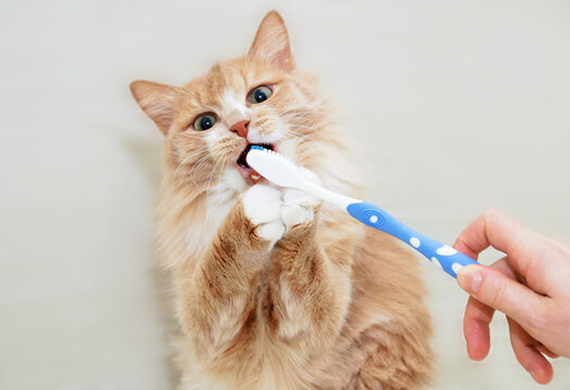
Daily or regular home care, such as brushing your pet’s teeth or using veterinarian-recommended products, helps reduce plaque buildup and maintain oral health.
Consistency is more important than perfection.
Watch for Subtle Changes
Pets often hide discomfort, so behavioral changes can be early warning signs.
Look for:
• Changes in eating habits
• Avoiding hard food or treats
• Pawing at the mouth
• Increased drooling
Even small changes can indicate a problem.
Address Problems Early
Dental disease becomes more difficult—and more invasive to treat—the longer it goes untreated.
Early intervention can help prevent pain, infection, and more complex procedures later on.
Follow Your Veterinarian’s Recommendations
Every pet is different. Your veterinarian will recommend the most appropriate care based on your pet’s age, health, and stage of dental disease.
This may include preventive care, professional cleanings, or more advanced treatment when necessary.
Make Dental Care Part of Your Routine
Oral health should be part of your pet’s overall care—not something addressed only when problems arise.
Building simple habits over time can have a lasting impact on your pet’s comfort and quality of life.
Why Dental Health Matters
Dental disease does not only affect the mouth.
As bacteria build up, infection can spread below the gum line and potentially impact vital organs, including the heart, liver, and kidneys.
Maintaining good oral health helps support your pet’s overall health—not just their teeth.
Bottom Line for Pet Owners
Improving your pet’s oral health doesn’t require perfection—it requires consistency.
Small, regular efforts combined with veterinary care can help prevent dental disease, reduce discomfort, and support long-term health.