
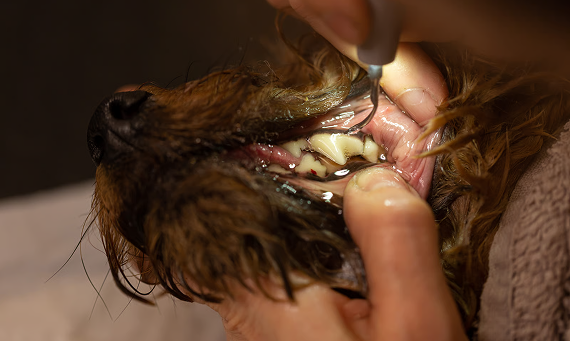
Dental disease is one of the most common health issues in dogs and cats—and one of the most overlooked.
Because it develops gradually, many pets don’t show obvious signs until the disease is already advanced. By then, infection, discomfort, and long-term damage may already be present. That’s why veterinary supervision isn’t optional it’s essential.
Dental care is not just about removing visible tartar. It requires proper diagnosis, careful case selection, and an understanding of when more advanced treatment is needed.
At Pet Dental Services, every procedure is performed under veterinary supervision to ensure patient safety and adherence to medical standards of care.
Early Warning Signs to Watch For
Dental disease often begins quietly. Some of the earliest signs include:
- Persistent bad breath
- Red, swollen, or sensitive gums
- Yellow or brown buildup along the gum line
- Drooling more than usual
- Slower eating or favoring one side of the mouth
- Avoiding hard food or treats
- Pawing at the mouth or face
Dogs and cats are extremely good at masking discomfort, so even subtle changes can be meaningful.
Why Dental Disease Shouldn’t Be Ignored
Dental disease does not stay confined to the mouth.
As plaque and bacteria accumulate, infection can spread below the gum line and enter the bloodstream. This can place stress on vital organs, including the heart, liver, and kidneys.
Left untreated, dental disease can lead to:
- Chronic pain
- Tooth loss
- Infection
- Decreased appetite
- Reduced quality of life
The earlier dental disease is identified, the easier it is to manage—and the better the outcome for your pet.
When to Involve Your Veterinarian
If you notice signs of oral discomfort or changes in your pet’s behavior, a veterinary evaluation should be the first step.
Your veterinarian will assess:
- The stage of dental disease
- Your pet’s overall health
- Whether anesthetic or non-anesthetic care is appropriate
Depending on your pet’s needs, recommendations may include:
- Anesthetic dental treatment for advanced disease
- Preventive or maintenance care for early-stage disease
- A combination of professional care and at-home dental hygiene
There is no one-size-fits-all approach—and that’s exactly why veterinary involvement matters.
Preventive Care Matters More Than You Think
Preventive dental care is the most effective way to slow disease progression and maintain long-term oral health.
This includes:
- Routine veterinary exams
- Professional cleanings when appropriate
- Consistent home care
When done correctly and under proper supervision, preventive care can reduce the need for more invasive procedures later on.
Bottom Line for Pet Owners
Dental disease often begins quietly—but its impact can be significant.
Recognizing early signs and involving your veterinarian early can make a meaningful difference in your pet’s comfort, health, and longevity.