
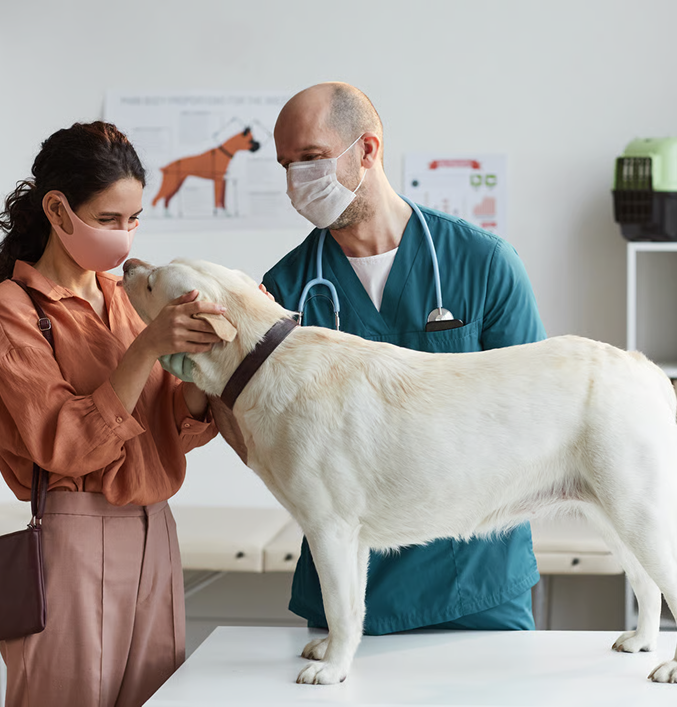
Caring for your pet’s oral health is an important part of their overall well-being. At Pet Dental Services (PDS), we provide Professional Outpatient Preventive Dental treatment (POPD™) for dogs and cats — a veterinarian-guided, anesthesia-free approach designed for appropriate patients at the preventive stage of dental disease.
Our services are performed exclusively within licensed veterinary hospitals and under veterinary supervision. POPD™ is intended to support early intervention and routine oral care and does not replace anesthetic dentistry when advanced dental disease is present.
We work in partnership with veterinary teams to help determine whether this approach is right for your pet and to ensure continuity of care as your pet’s dental needs evolve.

Anesthesia-free dental care can be a helpful part of a preventive oral-health plan for some dogs and cats, but it is not appropriate for every pet. This approach is intended for patients with early-stage dental disease and is always guided by a veterinarian’s clinical assessment. Your veterinarian plays a key role in determining whether your pet is a candidate based on their oral health, overall medical history, and individual needs. Pets with advanced periodontal disease, significant pain, loose teeth, or infection typically require anesthetic dentistry for proper diagnosis and treatment.
At Pet Dental Services, every pet is evaluated within a licensed veterinary hospital, and veterinarians remain central to patient selection and ongoing care. Our Professional Outpatient Preventive Dental treatment (POPD™) is designed to support early intervention, routine monitoring, and continuity of care—while recognizing when anesthetic dentistry is necessary. The goal is not to replace anesthesia, but to work in partnership with veterinary teams to help maintain oral health, extend time between anesthetic procedures when appropriate, and prioritize each pet’s comfort, safety, and long-term well-being.
Dental disease is one of the most common health conditions affecting dogs and cats. According to the American Veterinary Dental Society, the majority of pets show signs of periodontal disease by the age of three. Plaque and tartar buildup can lead to gum inflammation, infection, pain, and tooth loss if left untreated. Early identification and routine care play an important role in protecting your pet’s oral and overall health.
At-home dental care plays an important role in maintaining your pet’s oral health between professional visits. Regular tooth brushing can help reduce plaque buildup and support healthier gums over time. Many pets can learn to accept brushing gradually, especially when introduced at a young age and reinforced with positive experiences.
Dental disease often develops gradually, and many early signs can be easy to miss. Being aware of common changes in your pet’s mouth, behavior, or eating habits can help prompt timely evaluation by your veterinarian.
Common signs of dental disease may include:
If your pet shows any of these signs, periodontal disease may be present and should be evaluated by a veterinarian.
Important note:
Not all pets with dental disease show obvious symptoms. Some pets may continue eating normally despite discomfort, which is why routine oral exams and preventive care play such an important role in maintaining long-term health.
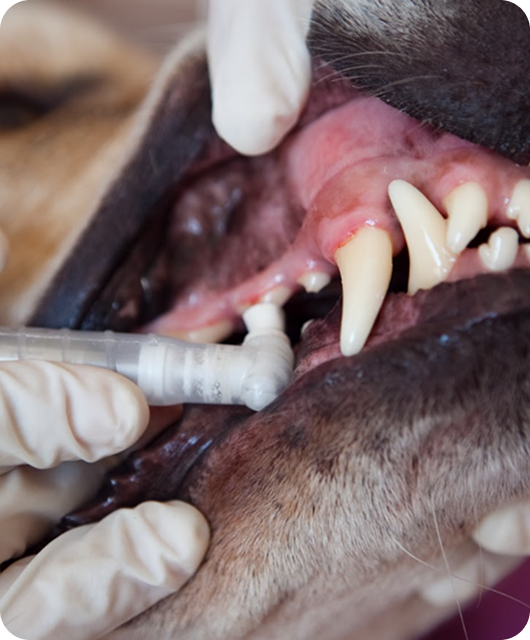
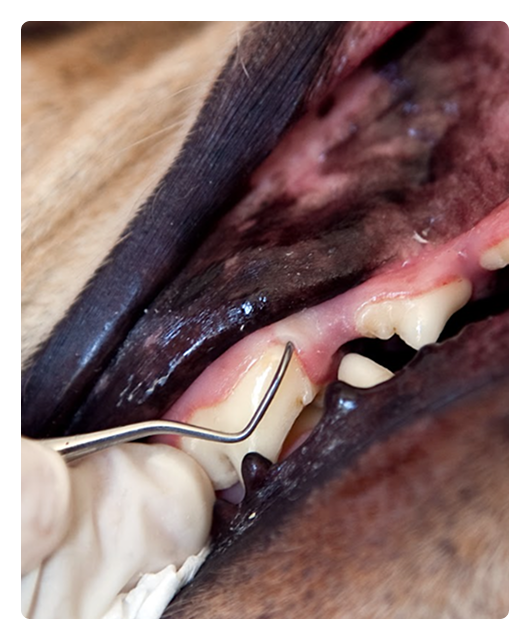
Dental disease—also known as periodontal (gum) disease—is one of the most common health conditions affecting dogs and cats. According to the AVDS, approximately 80% of dogs and 70% of cats show signs of dental disease by the age of three.
The disease begins when plaque and tartar are allowed to accumulate on the teeth. Over time, bacteria within this buildup can irritate and infect the gums, leading to inflammation, gum recession, and damage to the tissues supporting the teeth. If left untreated, dental disease can result in pain, tooth loss, and infection.
Beyond the mouth, oral bacteria can enter the bloodstream through inflamed gum tissue and travel to other organs. The heart, lungs, kidneys, liver, and even the brain are particularly vulnerable. For this reason, maintaining good oral health is an important part of supporting your pet’s overall health and longevity.
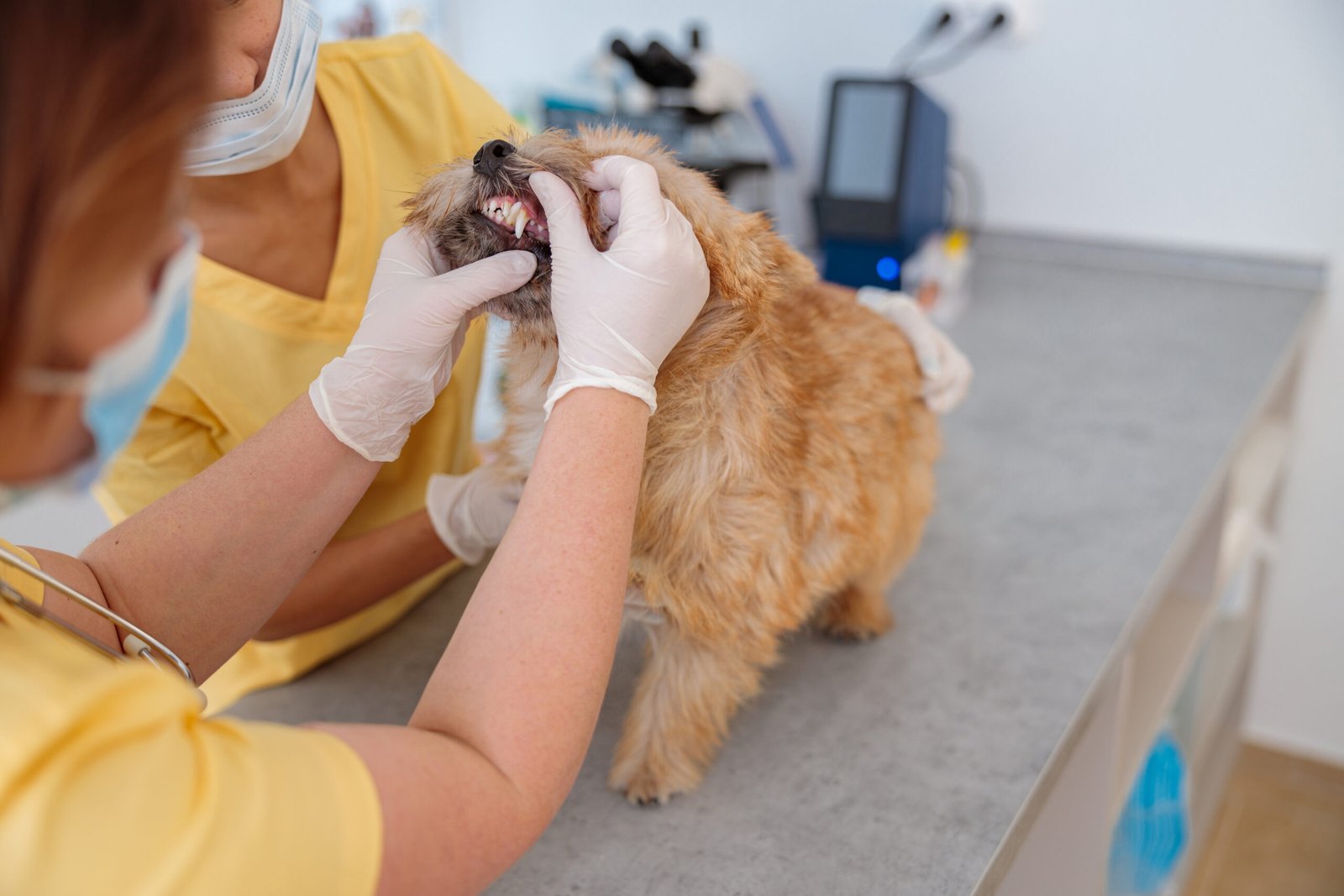
Our dental hygienists are specially trained to perform thorough oral assessments and professional cleanings without the use of anesthesia, when appropriate. During each visit, your pet’s mouth is carefully examined, and any abnormalities or concerns are documented for veterinary review.
The focus of our Professional Outpatient Preventive Dental treatment (POPD™) is the removal of plaque and tartar from above the gum line, followed by polishing to smooth the tooth surface and help slow future buildup. After each visit, our team works alongside your veterinarian to support an individualized home-care plan, helping maintain oral health between professional cleanings.
When more advanced disease is identified, anesthetic dentistry may be recommended by your veterinarian to ensure proper diagnosis, comfort, and treatment.
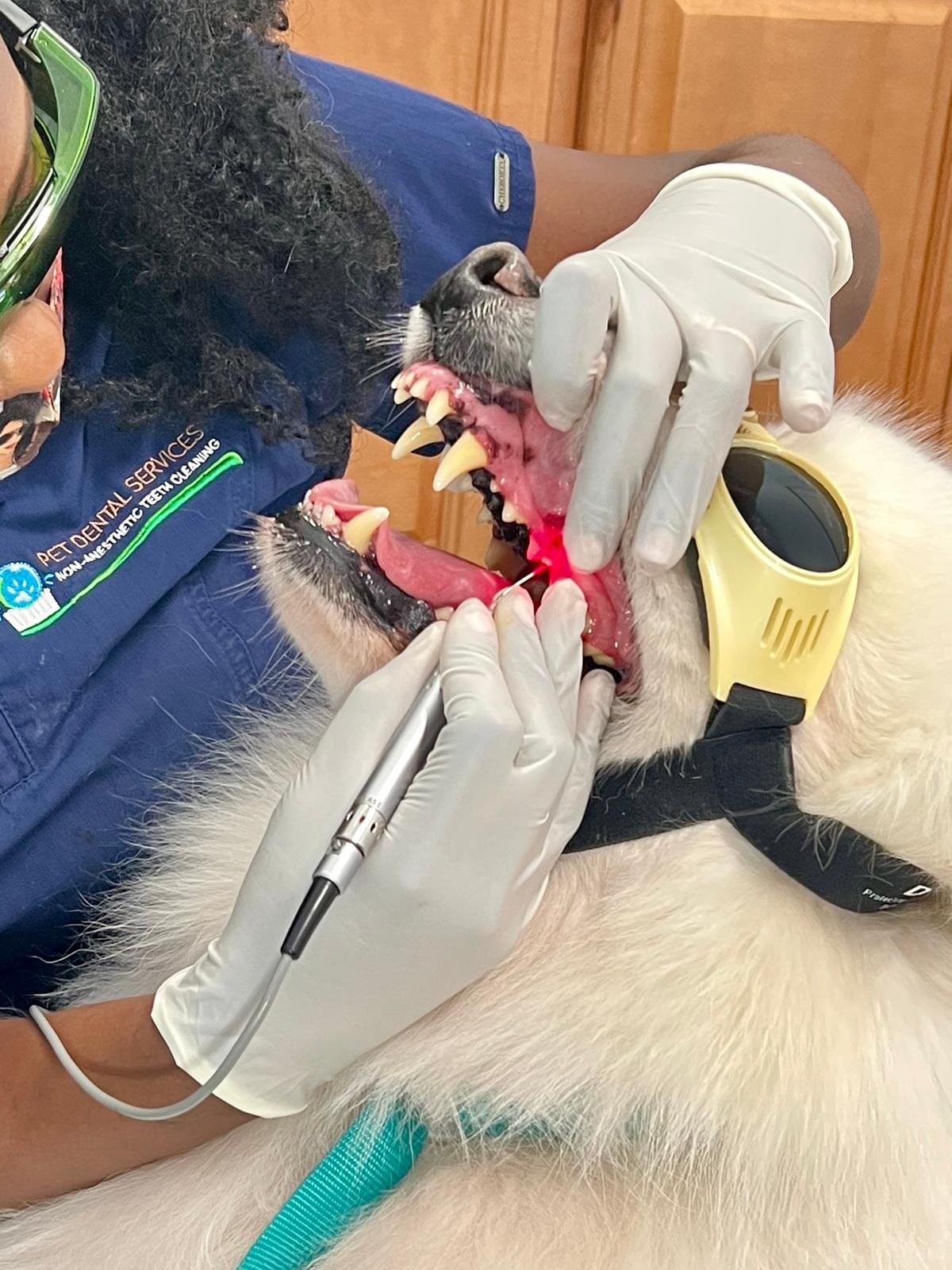
In select locations, your veterinary hospital may offer laser therapy as an optional enhancement to preventive dental care.
This gentle, non-invasive treatment is designed to help reduce bacteria beneath the gumline and support healthy gum tissue when mild inflammation is present.
Laser therapy may:
Not every pet requires this service. Your veterinarian will determine whether it is appropriate based on your pet’s oral health condition.
Consistent home dental care plays an important role in helping maintain your pet’s oral health between professional cleanings. While brushing isn’t always easy at first, most pets can learn to tolerate—and even accept—it with patience, positive reinforcement, and a gentle routine.
Ideally, tooth brushing should begin when pets are young, but it’s never too late to start. Even brushing a few times a week can help reduce plaque buildup and slow the progression of dental disease.

Choose a pet-specific toothpaste your dog or cat enjoys—never use human toothpaste, as it can be harmful if swallowed. Begin by letting your pet lick a small amount from your finger for a few days. This helps them associate the taste with something positive.
Once your pet is comfortable with the toothpaste, transition to a soft-bristled pet toothbrush. Gently brush at a 45-degree angle along the outer surfaces of the teeth, starting near the back and working forward. Small, circular motions are most effective, and only a few seconds per area is sufficient.
Consistency matters more than perfection. Keep sessions short, calm, and positive, and always end with praise or a reward.
Home dental care supports oral health—but it does not replace professional dental evaluations or cleanings. Your veterinarian can help guide you on the right balance of home care and in-clinic dental treatment for your pet’s individual needs.